NW3 flat removals advice for parking and permit access
Posted on 22/06/2026
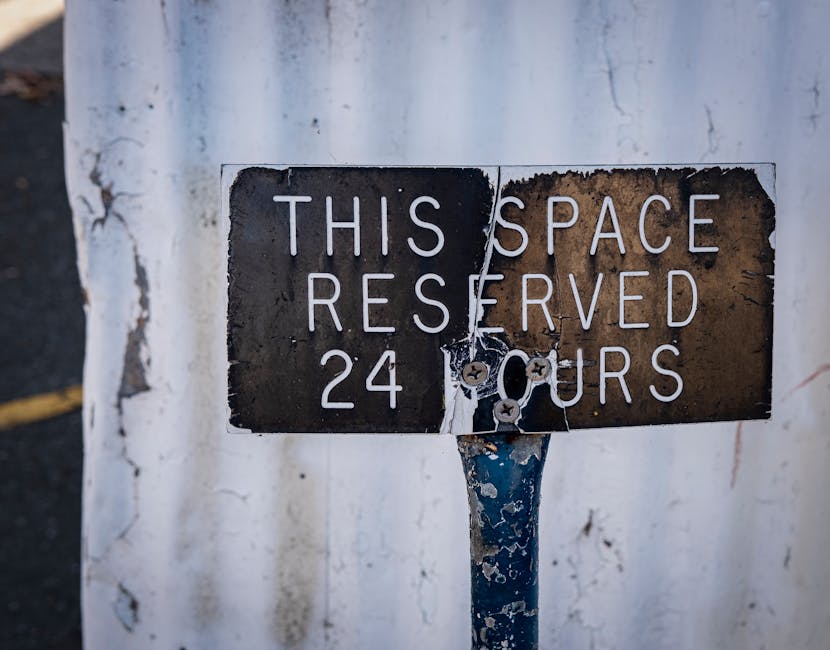
If you are planning a flat move in NW3, the hardest part is often not the lifting. It is the parking. Tight streets, residents' bays, permit rules, awkward building access, and the simple fact that a removal van cannot just stop anywhere can turn an otherwise tidy move into a stressful morning. This guide gives practical NW3 flat removals advice for parking and permit access, so you can plan ahead, avoid fines, and keep the move calm enough to actually breathe.
To be fair, most moving problems in Hampstead and nearby NW3 postcodes are predictable. A van arrives too early, the bay is occupied, the permit was never confirmed, or the building manager forgot about the lift booking. None of that is glamorous, but it is fixable. Below, you will find a step-by-step way to handle access, parking, timing, and the small decisions that make flat removals smoother in real life.
Why NW3 flat removals advice for parking and permit access Matters
Flat removals in NW3 tend to be less forgiving than house moves. In a house move, you usually have a driveway, frontage, or at least a little more room to breathe. In a flat move, the van may need to work from a shared street, a loading bay, a permit-only zone, or a road where double parking is simply not an option. That changes everything.
The issue is not just convenience. Parking and access affect how long the move takes, how many trips the team needs to make, whether bulky items can be moved safely, and how likely you are to get caught in a delay loop. A missed permit can lead to a waiting van, rushed loading, frustrated neighbours, and added cost. Nobody wants that, especially when the hallway already smells faintly of cardboard and dust and someone is trying to carry a mattress down three flights of stairs.
In NW3, where streets can be busy, narrow, and sometimes lined with controlled parking, even a small planning gap can snowball. That is why detailed planning is not optional. It is part of the move itself, just as much as boxes and bubble wrap. If you are comparing service options, it can help to read broader local advice too, such as flat removals in Hampstead and the wider removal services overview, especially if you are still deciding what kind of help you need.
How NW3 flat removals advice for parking and permit access Works
The basic idea is straightforward: the van needs a lawful, practical place to stop close enough to your building for loading and unloading. The trick is finding that place before moving day, not while the team is standing in the street with a dolly and a clock ticking.
In practice, the process usually involves four parts:
- Checking the street rules for bays, restrictions, and any timed loading allowances.
- Confirming access at both ends, because a tricky drop-off can be just as disruptive as a tricky pickup.
- Arranging permits or temporary suspension where needed, particularly if the road is controlled or the van must remain for more than a brief stop.
- Planning the load sequence so the crew can use the parking position efficiently and keep the path from flat to van as short as possible.
That last point matters more than people expect. If the van is parked across the road rather than outside the building, every item becomes a longer carry. And long carries are slow carries. They also increase the chance of knocks on walls, wet pavement mishaps in winter, or a slightly dramatic wobble with a corner sofa. You know the sort of thing.
For larger or more delicate items, access planning should also connect to specialist handling. If you are moving a heavy instrument or awkward furniture, the logistics are not the same as a few boxes and a desk. That is where pages like piano removals in Hampstead and furniture removals support are useful context for what careful handling really means.
Key Benefits and Practical Advantages
Good parking and permit planning might sound boring on paper, but it gives you several real advantages on moving day.
- Less wasted time: The crew can start loading instead of circling the block.
- Lower stress: You are not trying to solve access problems while your kettle and bedding sit on the pavement.
- Reduced damage risk: Shorter carrying distances usually mean fewer bumps and fewer strained backs.
- Better neighbour relations: A tidy, planned move is much easier on everyone living nearby.
- More accurate quotes: If access is clear in advance, pricing is usually more realistic.
- Safer working conditions: The team can use the right equipment without improvising in the street.
There is also a mental benefit that people underestimate. When the parking is sorted, the whole move feels more in control. You can focus on labels, keys, and the final sweep-through instead of wondering whether a warden is about to appear at the worst possible moment. Small win, but a proper one.
If you are comparing providers, it is worth looking at how they describe access planning and local move experience. A good starting point is often removal companies in Hampstead or movers in Hampstead, because the way a firm talks about access usually tells you a lot about how seriously they take the job.
Who This Is For and When It Makes Sense
This kind of planning is useful for almost anyone moving a flat in NW3, but it becomes essential in a few common situations.
- Residents in controlled parking streets where stopping rules are tight.
- People moving from upper-floor flats where every metre of carry matters.
- Moves involving bulky furniture that need a clear loading position.
- Students or renters with limited lead time, especially if the move has to happen fast.
- Households in older buildings with narrow stairwells, awkward doorways, or limited lift access.
- Anyone using a van and driver service who needs the vehicle close by for efficient loading.
This is also relevant if you are moving around busy periods, such as weekends or month-end changeovers, when parking pressure tends to be worse. In those cases, a simple assumption like "the van will find a space nearby" can be a bit optimistic. Let's face it, on a tight NW3 street, optimism is not a parking strategy.
For local context, it can help to understand the character of the area you are moving within. Articles like local insights on living in Hampstead and the broader Hampstead suburb guide give a useful feel for the streets, buildings, and everyday movement patterns that make access planning so important.
Step-by-Step Guidance
Here is the practical version. No fluff, just the sequence that tends to work best.
1. Confirm the exact move address and entrance
Start by pinning down the building entrance the team will actually use. Front entrance, side gate, rear access, basement entrance, lift lobby - it all matters. In flat moves, the front door postcode is not enough. You need to know where the loading point is relative to the building entrance.
2. Check parking restrictions for both addresses
Look at the origin and destination. Is there resident-only parking, pay-and-display, yellow lines, suspended bays, or timed loading only? If one end is easy and the other is not, the whole move still needs to be designed around the harder one.
3. Ask whether a permit or suspension is needed
Some moves can rely on short-term loading where allowed; others need a formal permit or bay suspension. The exact process depends on the road and local rules, so do not guess. If in doubt, treat parking as a formal task, not a side note.
4. Measure the carry distance
Walk it if you can. Count the steps, note the lift, and look for obstacles such as tight corners, low ceilings, or awkward turning points. A carry that looks "fine" in daylight can feel very different once you are holding a wardrobe panel at 8:15 on a damp morning.
5. Plan the load order
Place the first-load items near the door and the last-load items deeper inside the flat. This sounds simple, but it saves time. Keep essentials aside, and make sure boxes are stacked where they will not block the route.
6. Reserve building access if needed
If your block has lift booking rules, concierge hours, or moving restrictions, sort them early. Many buildings prefer moves to happen within set time windows, and ignoring that can slow everything down before the van even arrives.
7. Leave a margin for delay
Parking and loading in NW3 can take longer than expected. Add breathing room to your schedule. If you are moving out in the morning, avoid booking the van so tightly that a five-minute delay becomes a disaster.
8. Keep a contact number handy
Have the building contact, the driver, and any permit reference details ready. It sounds obvious, but when someone is halfway down the stairs with a box of books, "where did I put that number?" is not a fun question.
Expert Tips for Better Results
From a practical removals point of view, a few habits make a noticeable difference.
- Do a daylight recce. Streets look different at 7 a.m. than they do at lunchtime, but you still get a much better sense of width, kerb space, and visibility.
- Use one person as the access checker. Too many people checking parking can create confusion. One clear owner for the parking plan is better.
- Keep the van's stopping point realistic. Near enough to be efficient, legal enough to avoid trouble. The sweet spot matters.
- Bundle awkward items first. Large furniture, mirrors, and anything fragile should be treated as priority load items, not afterthoughts.
- Protect corners and communal areas. In flats, hallways and stairwells often take a beating. A little extra protection saves apology time later.
- Choose a mover who understands local streets. Experience matters more than flashy promises.
If you are moving a full flat rather than a single room, it may be worth looking at broader local support such as home removals in Hampstead or, for smaller more flexible jobs, man with a van in Hampstead. The right option depends on volume, access, and how much help you need at both ends.
And yes, sometimes the best tip is simply this: don't leave parking to the morning of the move. That is where the coffee goes cold and the mood drops. Quickly.
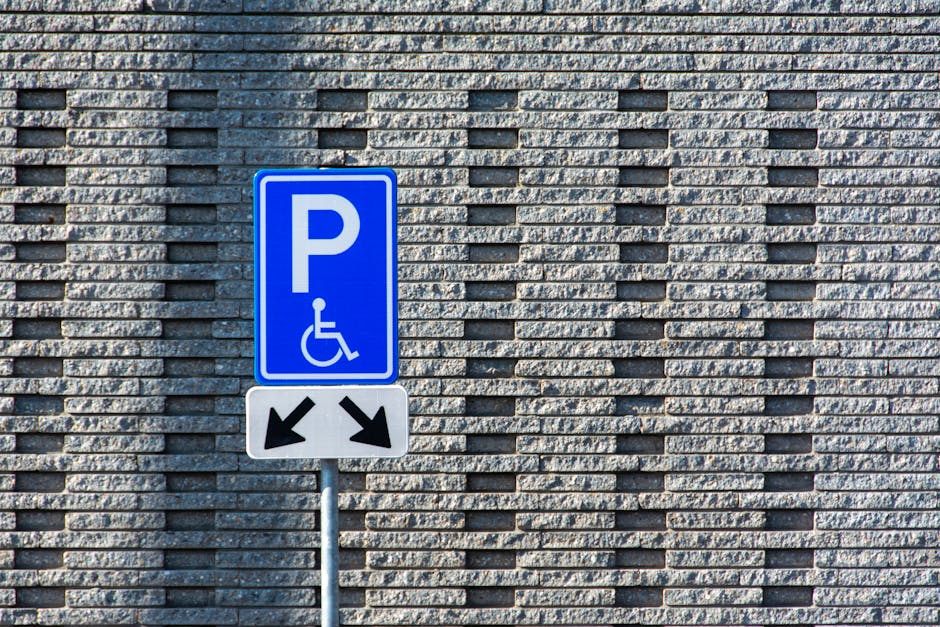
Common Mistakes to Avoid
The same errors come up again and again. If you avoid these, you are already ahead.
- Assuming parking will work itself out. It usually does not.
- Forgetting the destination street. People often plan the pickup and ignore the drop-off.
- Ignoring building rules. Some flats have moving restrictions that are stricter than the street outside.
- Not allowing for lift delays. A lift held open for move-in can still become a bottleneck if neighbours need access.
- Leaving boxes everywhere. That creates trip hazards and slows the loading sequence.
- Using vague timing. "Sometime in the morning" is not enough when parking is limited.
One more common issue is overestimating how easy a short carry will be. Three floors, two tight corners, and a landing that barely fits a wardrobe can make a "quick move" feel much longer than expected. The remedy is not panic. It is planning.
Tools, Resources and Recommendations
You do not need a giant toolkit for this. In most cases, a few simple things make the job easier:
- A clear floorplan or room list for prioritising load order.
- Printed permit or booking details so there is no scrambling on the day.
- A tape measure for checking lift doors, stair turns, and furniture clearances.
- Labels and marker pens to keep the route from flat to van efficient.
- Furniture covers and protective wraps for corners, mattresses, and fragile items.
- A phone charger and backup battery because nobody wants a dead phone when the driver calls.
For readers thinking about a fuller move plan, services like packing and boxes support can save a lot of last-minute pressure. If you want to understand how the company positions wider moving help, the services overview is also a sensible place to look.
If your move is especially time-sensitive, a faster option may sometimes be appropriate. In those cases, it helps to understand same-day removals in Hampstead, although availability and practicality will depend on access and schedule. Truth be told, same-day moves are less magical than people hope, but when they work, they really work.
Law, Compliance, Standards, or Best Practice
Parking and permit access are not just "admin". They sit within normal UK road rules, local parking controls, and building management requirements. Exact permissions vary by street and property, so you should always check the rules that apply to your addresses rather than assuming a standard solution.
Best practice for removal moves in controlled streets usually includes:
- using lawful stopping or permit arrangements only;
- respecting loading restrictions and time windows;
- avoiding obstruction of access for residents, emergency vehicles, or neighbours;
- making sure the vehicle position allows safe handling;
- keeping communication clear between the driver, mover, and resident;
- following sensible manual handling and safety procedures.
If a building has its own moving rules, those should also be followed. That might include booking a lift, using padding in communal areas, or moving only within agreed times. A professional mover should treat this as standard rather than a nuisance. If you want to understand how a company approaches this side of the job, health and safety policy information and insurance and safety guidance help show the seriousness behind the scenes.
There is also a simple reputational point. Neighbours remember the flat move that blocked the street for an hour. They also remember the one that was calm, tidy, and finished without a scene. Best practice is not just about avoiding penalties. It is about doing things properly.
Options, Methods, or Comparison Table
There are a few common ways to handle parking and access during NW3 flat removals. The right choice depends on street layout, building rules, and how much you are moving.
| Method | Best for | Strengths | Limitations |
|---|---|---|---|
| Short curbside loading | Light moves with flexible timing | Quick, simple, minimal admin | Not suitable where restrictions are tight or loading is slow |
| Pre-arranged permit or bay use | Controlled streets and longer loading windows | More reliable, safer for larger moves | Needs lead time and correct setup |
| Rear or side access | Older buildings or private courtyards | Can reduce street disruption | May be awkward, narrow, or limited by keys and building rules |
| Smaller van plus shuttle trips | Tight streets with hard parking | More manoeuvrable, often easier to position | Can take longer overall and may increase trips |
In some NW3 moves, a smaller vehicle is the smarter choice simply because it can stop closer to the entrance. In others, one larger van with a clear permit is more efficient. There is no universal answer, and that is the point. The right method is the one that fits the street, not the one that sounds tidy in theory.
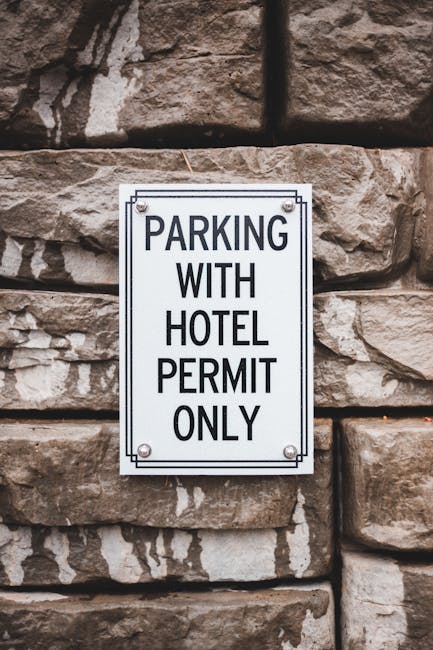
Case Study or Real-World Example
A recent-style NW3 flat move might look like this: a two-bedroom flat on an upper floor, a narrow residential street, and a destination property only a short distance away. On paper, it sounds manageable. In reality, the street has resident bays, the entrance sits slightly back from the road, and the lift is shared with other residents.
The successful version of this move began with checking both addresses two days before move day. The team confirmed where the van could stop, the resident's building rules were reviewed, and the most awkward furniture was marked for first loading. The van then arrived at the planned time instead of circling for space, and the load-out stayed steady instead of becoming a stop-start mess.
What made the difference? Not speed. Planning. The short carry from flat to van reduced the number of trips, the lift booking prevented delays, and the driver knew not to block the neighbour's access. It was one of those moves where nothing dramatic happened, which is exactly what you want. Quiet success. A lovely thing.
If the move had included a heavy sofa, a dining table, or delicate furniture, the team would have treated those items with extra care. That is where local furniture handling support and the right vehicle choice matter more than people expect. And if you are still comparing options, the local removals in Hampstead page can help frame the bigger picture.
Practical Checklist
Use this before moving day. It will save you from a lot of avoidable frustration.
- Confirm both the pickup and drop-off addresses.
- Check street parking rules at both ends.
- Arrange any permit, suspension, or loading permission needed.
- Book lift access or building approval where relevant.
- Measure the route from flat to van.
- Identify any narrow stair turns, low door frames, or awkward corners.
- Set aside fragile, heavy, and priority items separately.
- Label boxes clearly by room and urgency.
- Share the access plan with everyone involved.
- Keep mobile numbers and any reference details handy.
- Allow extra time for loading and unexpected delays.
- Protect communal areas and entry points.
- Have a backup plan if the closest bay is unavailable.
Expert summary: In NW3 flat removals, the move feels easier when the parking plan is treated as part of the move rather than a side admin task. Sort access early, keep the route short, and give the crew enough space to work safely. Simple, but it works.
Conclusion
NW3 flat removals advice for parking and permit access is really about control. When you know where the van can stop, how the building works, and what the route looks like, the move becomes far more manageable. You reduce delays, protect your belongings, and avoid the kind of last-minute panic that nobody needs on moving day.
That is especially true in a place where streets can be busy, parking can be limited, and flats often come with their own access quirks. If you plan early and keep the moving team informed, you give yourself the best chance of a calm, tidy move. And honestly, a calm move feels better in the body too. Less shouting, less rushing, less of that weird halfway-there exhaustion.
Get a free quote today and see how much you can save.
With the parking sorted and the access mapped out, the rest gets a lot lighter. Sometimes that is all a good move really needs.


